
Band Versus Soloist: Which Suits Your Event?

The moment the first song begins, your guests understand what kind of occasion they have entered. That is why the band versus soloist decision deserves more than a quick look at pricing. It shapes the room’s energy, the visual statement, the pace of the evening and the way your celebration will be remembered.
For a wedding, private party, VIP reception or branded event, there is no universally correct format. A full live band can turn a dance floor into a headline moment. A soloist performing with premium backing tracks can deliver an equally polished set with greater flexibility and a lighter production footprint. The right choice is the one that serves your guest list, venue and vision with confidence.
Band Versus Soloist: Start With the Experience
A live band brings collective energy that is difficult to replicate. Multiple musicians responding to one another, a live rhythm section building into a chorus, and a full stage presence all create a sense of occasion. For large weddings, gala dinners, public-facing events and high-energy evening celebrations, that scale can feel entirely right.
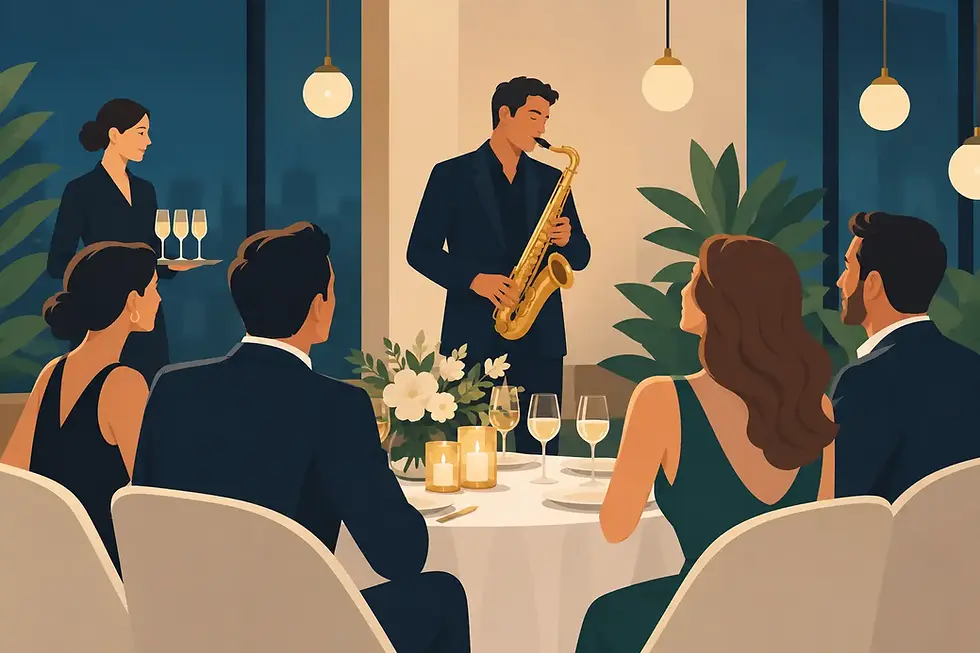
A soloist offers a different kind of impact. The focus is immediate: one exceptional voice, a carefully curated repertoire and a performance that feels personal to the room. Supported by professionally produced backing tracks and quality sound, a solo performance is not a compromise. It is a streamlined, sophisticated entertainment choice that can move elegantly from a drinks reception to dinner, then into a lively party set.
Think less about which format is better and more about what you want guests to feel. Do you want the visual theatre of a full stage show, or an intimate, polished performance that keeps the spotlight on the occasion itself? Both can be memorable. The distinction is in the atmosphere they create.
When a Live Band Makes the Strongest Statement
A band is often the natural choice when music is central to the event rather than simply part of the programme. If guests are expecting a proper party, with a packed dance floor and singalong moments, the interaction between live players can add real lift. A band also makes a strong visual impression in a grand ballroom, marquee, concert venue or outdoor event space with room for staging.
The format works particularly well for celebrations with a long evening schedule. A band can build the night in chapters: refined background sets as guests arrive, a stronger dinner performance, then a full dance-floor set after the formalities. This progression gives the entertainment a sense of momentum and helps the evening feel considered rather than disconnected.
There are practical considerations. A larger line-up needs a suitable performance area, more power, adequate load-in access and enough time for soundcheck. These details are straightforward when planned early, but they matter. At an elegant venue with strict sound limits or limited access, the biggest band may not be the most effective choice.
Budget also reflects the number of people, equipment and logistics involved. This is not simply a question of paying for volume. You are booking the depth of a live ensemble, the production requirements and the on-stage presence of several professional performers. For events where the entertainment is intended to be a major feature, that investment can be exactly what the occasion calls for.
Why a Soloist Can Feel Exceptionally Bespoke
A solo artist with backing tracks can offer a remarkably complete entertainment experience while fitting more naturally into venues where space and timing are at a premium. This makes the format especially attractive for private dinners, destination-style celebrations, luxury restaurant events, terraces, smaller wedding receptions and corporate occasions with tightly managed schedules.
The reduced footprint can also create more freedom in the room. Fewer performers and less equipment mean more space for dining, florals, guest seating or a dance floor. Setup is generally simpler, which can be valuable where the venue has a narrow access window or the event moves between several areas during the day.
Musically, the benefit is focus. A compelling soloist can bring warmth to a first dance, command attention during a key entrance and shift seamlessly into well-known party classics later in the night. Backing-track performance allows a broad sound palette, from soulful ballads and polished pop to upbeat dance anthems, without asking the venue to accommodate a full band setup.
A soloist can also be the more appropriate choice when you want music to enhance conversation rather than dominate it. During cocktails, dining or a networking reception, the performance can be stylish and present without overwhelming the room. When the time comes to raise the energy, the set can become more dynamic without a major change in production.
Consider the Venue Before the Playlist
Your venue will often make the decision clearer. A band requires enough room for musicians, instruments, monitoring and safe cable management. Ask where the performance area will be, whether there is a dedicated power supply, and how close the stage is to guests who may be dining or speaking. Check sound restrictions too, especially at country houses, city hotels and residential venues.
A soloist is more adaptable, but still benefits from a properly planned performance position. The best results come from giving the artist clear sight lines to the guests, allowing space for quality sound equipment and avoiding placement beside noisy bars, service doors or competing entertainment areas.
For outdoor events, weather planning is essential whatever format you book. Covered performance space, electrical protection and a sensible contingency plan protect both the artist and the guest experience. A beautiful garden setting is only as successful as the plan behind it.
Match the Format to the Moment
Not every part of an event needs the same level of musical intensity. A soloist may be perfect for the ceremony, drinks reception or dinner, while a live band becomes the evening centrepiece. Conversely, a single artist may be the ideal choice for the entire occasion if the goal is stylish continuity and a more intimate feel.
This is where bespoke programming matters. Your entertainment should reflect the formality of the welcome, the age range of guests, the cultural feel of the occasion and the moments that deserve a musical lift. A wedding party may want timeless soul, current pop and high-energy classics. A luxury brand event may need a sharper, more curated set that supports the room without turning a reception into a nightclub before the right moment.
The repertoire should be discussed alongside the running order. A talented performer can make the right song feel effortless, but timing gives that performance its meaning. An entrance, awards presentation, first dance or surprise birthday reveal needs music that lands precisely.
Ask These Questions Before You Book
Before selecting a band or soloist, be clear about the role entertainment will play. How many guests will attend? Is the music designed for listening, dancing or both? What space and sound limits does the venue have? How long should the artist perform, and are there important moments that need live music?
It is also worth asking what is included in the booking. Professional sound, lighting, set length, arrival time, soundcheck requirements and requested songs should all be discussed in advance. Premium entertainment feels effortless to guests because the detail has been handled before the doors open.
For planners and hosts, reliability is as valuable as talent. Choose an act that understands event flow, communicates clearly with your venue or production team and can tailor the performance to the scale of the room. At mrmaphmusic, that bespoke approach allows the format, setlist and performance style to be shaped around the event rather than forced into a standard package.
The best choice is the one that makes your celebration feel intentional. Give your entertainment the right setting, the right brief and the right moment to shine, and whether you choose a full band or a soloist, guests will feel the difference from the first note.


Comments